

A good rural break in Ireland can begin with a road that gets narrower, a village shop with handwritten notices in the window, and a place to stay where the morning is quieter than the city. Rural escapes Ireland offers are not all the same, and that is the appeal. You can choose a cottage near a walking trail, a farmhouse stay outside a market town, a harbor-side base for sea swimming, or a country hotel that makes it easy to explore several counties.
For U.S. visitors, the distances can be a pleasant surprise. In many parts of the island, a short drive changes the whole feel of the day – from a lively town for breakfast to open hills, lakes, beaches, or woodland by lunchtime. For Irish travelers, a rural escape is often the simplest way to step out of routine without spending a full day getting there.
Choose the kind of quiet you want
The best rural trips start with a clear idea of what you want from the break. “Rural” can mean a remote peninsula with dramatic weather and few distractions, but it can also mean a small town with good restaurants, local pubs, and countryside a few minutes away. The right choice depends on how much driving, planning, and solitude suits your group.
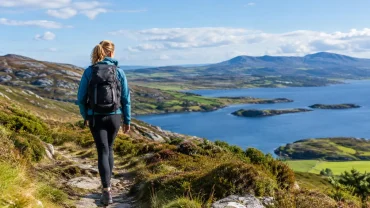
If you want big landscapes and a real sense of getting away, look toward Donegal, Kerry, Connemara, West Cork, or the Causeway Coast. These areas reward travelers who are happy to take their time. Scenic routes are part of the experience, though winding roads and changeable weather can make short distances take longer than expected.
For an easier weekend, stay near a well-connected county town or a village close to a main route. Places around Kildare, Meath, Louth, Monaghan, Tipperary, Laois, and Cavan can offer country views without requiring a long drive. You may be able to arrive on Friday evening, have a relaxed Saturday outdoors, and still fit in a proper lunch or activity before heading home Sunday.
Families may prefer a base with space to run around, nearby indoor options, and food choices that do not involve a lengthy drive. Couples often get more from a smaller property close to a trail, beach, spa, or great local restaurant. For a group of friends, a village location can strike the best balance: countryside during the day and a pub, live music, or dinner within walking distance at night.
Find a stay that supports your plans
Where you stay shapes the pace of a rural break. A remote self-catering house gives you privacy and flexibility, especially for families or groups, but it also means planning groceries and appointing a driver if you are dining out. A hotel, guesthouse, or inn can remove some of that effort, with breakfast on site and local recommendations from people who know the area.
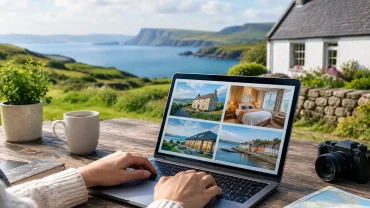
When comparing accommodation, check the practical details before you book. Is the property close to the activity or landscape you came to see? Are the roads suitable for your confidence level, particularly after dark? Is breakfast included, and are there restaurants nearby on the nights you need them? In rural areas, opening days and meal times can vary by season, so it pays to build your plans around what is actually available.
A coastal stay can be ideal if your priority is beach walks, kayaking, fishing, or simply watching the weather roll in. A lakeside or inland location may suit travelers who want gentle cycling, heritage sites, forest trails, and quieter roads. In places such as Fermanagh, Leitrim, Cavan, and Roscommon, water and woodland create a slower kind of escape, with plenty to do without a packed schedule.
For longer trips, consider splitting your stay between two areas rather than trying to cover the whole island from one base. Three nights in County Galway followed by three in County Clare, for example, can make a west coast journey feel relaxed. The same applies to a route through Northern Ireland, where a Belfast city stay can pair well with time in County Antrim, County Down, or Fermanagh.
Build rural escapes in Ireland around local places
A memorable country break should leave room for the places that make an area distinct. A walk is better when it ends with a warm meal. A scenic drive is more enjoyable when you stop in a village rather than treating it as a route between landmarks. Local food, small museums, craft shops, boat trips, historic houses, and family-run activity providers can turn a quiet weekend into a trip with a real sense of place.
Start each day with one main plan, not five. In Kerry, that might be a section of the Ring of Kerry or a boat trip from a coastal town. In Donegal, it could be a beach walk, a visit to Glenveagh, or a drive through the hills. In the southeast, you might combine a stroll in a heritage town with a garden, cycle route, or a stop along the Waterford coast.
Then keep a second option for rain, wind, or tired legs. Ireland’s weather is part of the experience, but it should not derail the day. A local food market, distillery visit, gallery, indoor pool, heritage center, or a long lunch can be exactly the right alternative. Check ahead for seasonal hours, especially outside school holidays and in smaller communities.
Book In Ireland makes this style of planning simpler by bringing places to stay, eat, and enjoy together by destination. Once you have chosen a county or town, look beyond the headline attraction and see what is nearby. A base in Spanish Point, Glaslough, Ballyconnell, Allihies, or Termonfeckin can lead to a trip that feels far more personal than a checklist of the best-known stops.
A simple rhythm for a country weekend
Rural breaks work best when they have structure without feeling over-scheduled. Give yourself time for the unexpected viewpoint, roadside café, or recommendation from your host.
- Arrive with dinner plans already sorted, especially if you are staying outside a town.
- Make one outdoor activity the focus of your full day, then leave the afternoon open for local stops.
- Keep your final morning close to your accommodation so checkout does not turn into a rush.
- If you are traveling with children, alternate active time with an easy stop for food, animals, a beach, or a playground.
This approach also helps with a common rural travel trade-off: the most remote places can be the most rewarding, but they require more self-sufficiency. Fill the car with fuel before heading into sparsely populated areas, download maps if signal may be weak, and pack layers even in summer. Good shoes, a waterproof jacket, and a flexible attitude are often more useful than an ambitious itinerary.
Match the season to your rural getaway
Summer brings long evenings, busy visitor destinations, and the best chance of outdoor dining, swimming, and festivals. It also calls for earlier booking, especially in coastal counties and popular national park areas. Spring is excellent for walkers and travelers who enjoy fresh green landscapes without peak-season crowds.
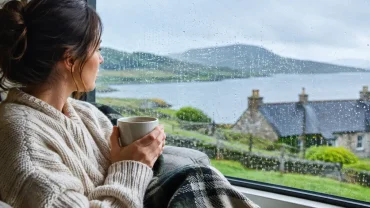
Autumn is one of the strongest times for food-focused rural breaks. Harvest events, cozy pubs, and colorful woodland walks give the season its own character, while accommodation may offer more choice than in July or August. Winter suits travelers looking for a fireplace, a spa, stormy coastal views, and quiet village time. Just keep daylight hours, road conditions, and reduced seasonal opening times in mind.
The point of a rural escape is not to see every landmark in a county. It is to choose a place that gives you room to slow down, eat well, get outside, and return home with a clearer memory of Ireland than the view from a highway. Pick your county, set your dates, and let the smaller places shape the trip.
Comment (0)