

Belfast is compact enough to make a short break feel easy, yet layered enough to reward an extra night. From the Titanic Quarter to the Cathedral Quarter, its best experiences sit close to excellent restaurants, lively pubs, green spaces, and places to stay. If you are looking for Belfast things to do, plan around neighborhoods rather than trying to rush across the city.
Belfast things to do for first-time visitors
Start at Titanic Belfast in the Titanic Quarter, the city’s landmark visitor attraction. The striking building stands beside the former Harland & Wolff shipyard, where RMS Titanic was designed and built. Inside, the exhibitions trace Belfast’s industrial heritage, the ship’s construction, its voyage, and the stories that followed. Allow a few hours if you want to take in the galleries at a comfortable pace.
Continue around the waterfront to see the SS Nomadic, the restored tender ship that once carried passengers to RMS Titanic. The nearby Titanic Slipways, Titanic Dock and Pump-House offer a stronger sense of the scale behind Belfast’s shipbuilding past. This area is particularly pleasant for a waterside walk, though it can feel exposed in wet or windy weather. Bring a layer and keep indoor attractions in mind as a backup.
Back in the city center, Belfast City Hall is an easy stop between shopping, sightseeing, and lunch. Its grounds are open to visitors, and the surrounding streets give you access to major stores, cafes, and public transport. The free exhibition space inside City Hall is a useful introduction to the city’s history, especially for travelers with limited time.
Learn Belfast’s stories at its museums
The Ulster Museum, beside Botanic Gardens, is one of the strongest free activities in Belfast. Its displays bring together art, natural history, archaeology, and Northern Ireland’s complex recent past. It is a good choice for families, curious first-time visitors, and anyone looking for a thoughtful indoor activity without a ticket cost.
The museum works well with a walk through Botanic Gardens. The Victorian Palm House and tropical ravine offer a calmer contrast to the busy city center, while Queen’s University gives the neighborhood a lively, student-friendly feel. Stay nearby for coffee or lunch, then walk toward the Lisburn Road if independent shops and a more local pace appeal to you.
See the murals and peace walls with context
Belfast’s political murals and peace walls are among its most discussed sights, but they deserve more than a quick photo stop. A guided black cab tour or walking tour can provide essential context on the Troubles, the communities affected, and the continuing role of the walls. Guides often share personal perspectives, so experiences can differ depending on the route and operator.
The Falls Road and Shankill Road are the best-known areas for murals. Visitors can leave messages on sections of the peace wall, though it is worth approaching the experience respectfully. These are living neighborhoods, not open-air exhibits. A tour is generally the better option if you are unfamiliar with Belfast’s history or do not have much time to research the sites independently.
For broader historical context, consider Crumlin Road Gaol. The former prison has held inmates from different periods of Northern Ireland’s history and now offers guided visits through cells, tunnels, and execution chambers. It is a compelling attraction, but its subject matter can be heavy and may not suit every younger child.
Eat, drink, and spend an evening in the city
St. George’s Market is a smart place to begin a weekend morning. The covered market brings together food stalls, crafts, local products, and regular live music. It is especially useful when a group cannot agree on one type of meal, as everyone can choose something different. Opening days and programming can vary, so check ahead when building your itinerary.
For an evening out, the Cathedral Quarter has plenty of character. Its cobbled streets, historic buildings, pubs, restaurants, and music venues make it a natural choice for dinner followed by a drink or live performance. The area can be busy on Friday and Saturday nights, which is ideal for groups seeking atmosphere but less suitable for travelers who want an early, quiet meal.
Belfast’s food scene extends well beyond the central nightlife districts. Look toward Botanic Avenue, the Lisburn Road, Ballyhackamore, and the Ormeau Road for restaurants that make a city break feel less like a checklist. Booking ahead is sensible for popular dinner times, particularly during concerts, sporting events, and holiday weekends.
Outdoor Belfast activities worth making time for
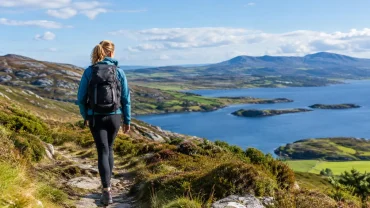
Cave Hill Country Park rises above the city and delivers one of Belfast’s best views. From the higher paths, you can look across rooftops, Belfast Lough, and, on a clear day, far beyond the city. The trail to Napoleon’s Nose is rewarding, but it is a proper hill walk with uneven ground, changing conditions, and sections that may be slippery after rain. Wear suitable footwear rather than treating it as a casual stroll.
If you want fresh air without the climb, walk or cycle along the Lagan Towpath. It follows the River Lagan and links central Belfast with quieter green stretches toward Shaw’s Bridge. This is a flexible option for couples, families, and solo travelers because you can turn back whenever you like.
Belfast Zoo sits on the slopes of Cave Hill and can work well for a family day, especially when combined with other north Belfast plans. Meanwhile, CS Lewis Square in east Belfast is a smaller stop with sculptures inspired by The Chronicles of Narnia. It is close to the Connswater Community Greenway, a useful route for walking and cycling.
Build your Belfast itinerary around your stay
Where you stay changes what is practical. A city-center hotel or apartment puts City Hall, St. George’s Market, Cathedral Quarter dining, and many major sights within walking distance. It is the easiest choice for a one- or two-night break, particularly if you arrive by train, coach, or air and do not plan to rent a car.
The Titanic Quarter is a good fit for visitors who want modern waterfront accommodation and Titanic Belfast on their doorstep, though you may travel into the center more often for evening dining. Botanic and Queen’s Quarter suit travelers who prefer leafy streets, museums, cafes, and a less central feel. For a quieter local base, consider neighborhoods outside the core, but check your transport options for late evenings.
A car is not necessary for most central Belfast things to do. Walking, buses, taxis, and guided tours cover many visitor routes, while parking can add cost and inconvenience. A car becomes more useful if Belfast is the first stop on a wider Northern Ireland trip, perhaps continuing to the Causeway Coast, County Down, or Fermanagh.
When organizing your trip, use Book In Ireland to compare places to stay alongside local food and activities. Start with your dates and guest numbers, choose a Belfast base that suits your plans, then leave room for the unexpected: a market stall that catches your eye, a music session from an open doorway, or a view over the city that makes you linger a little longer.


Comment (0)